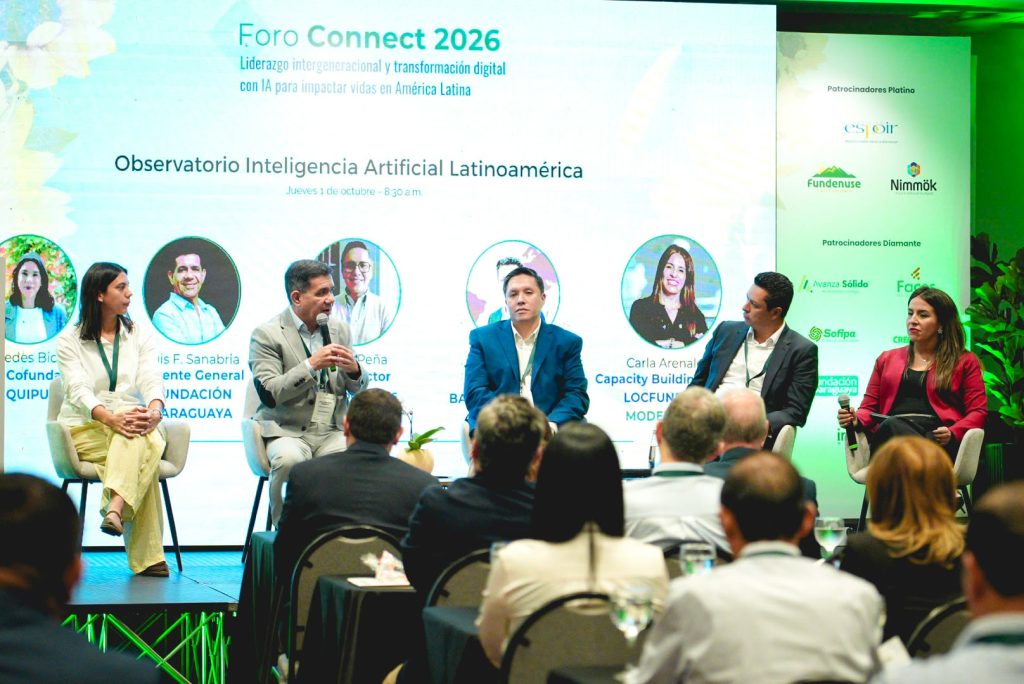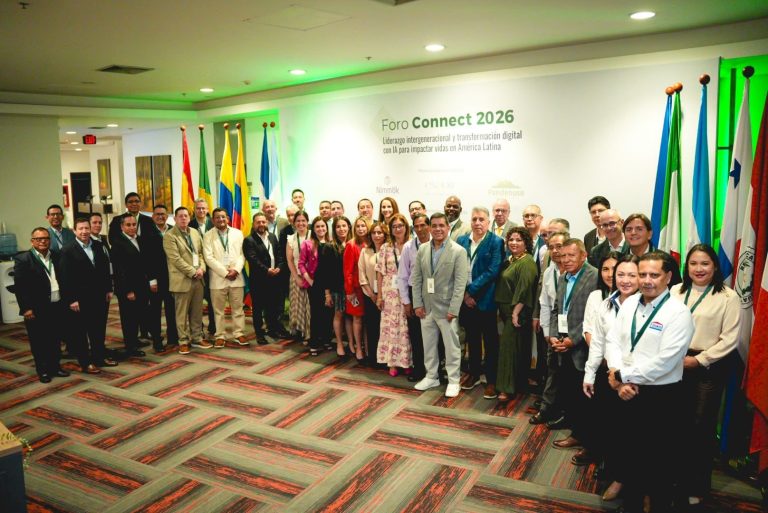
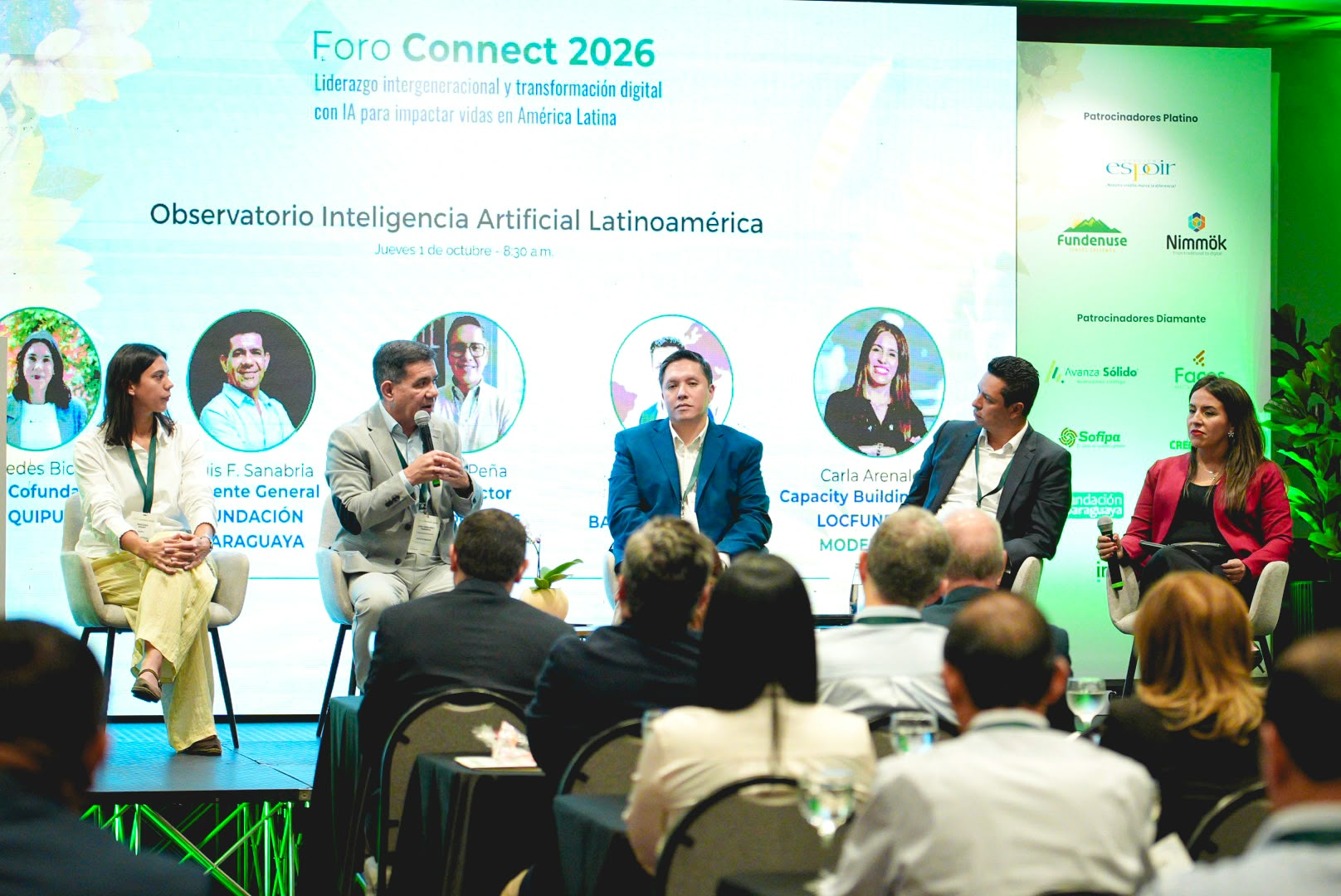
“Latin America Artificial Intelligence Observatory”
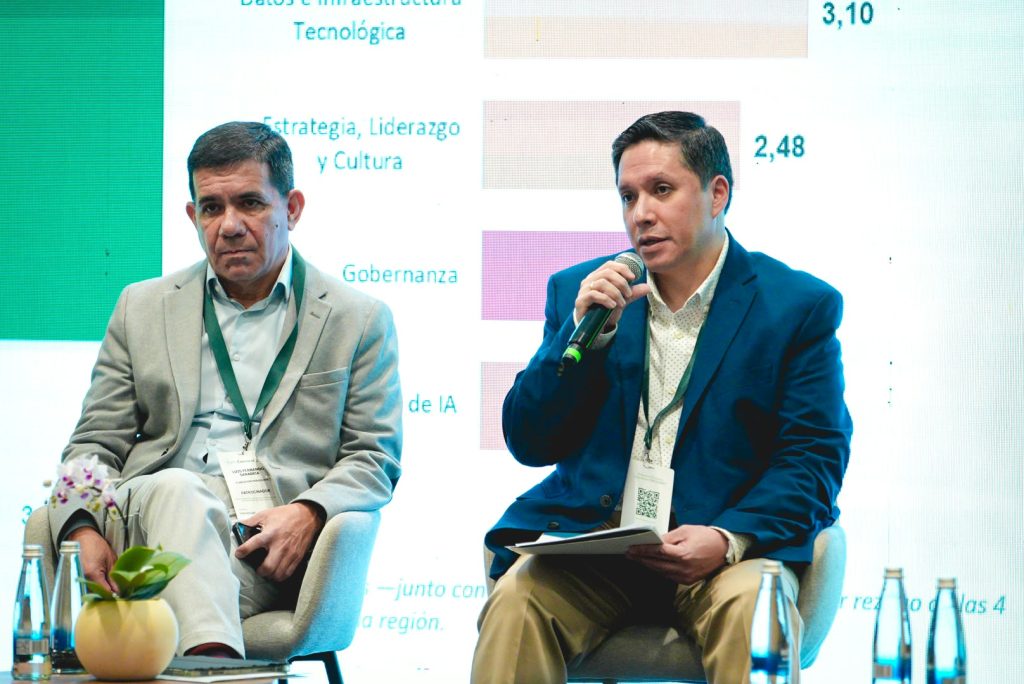
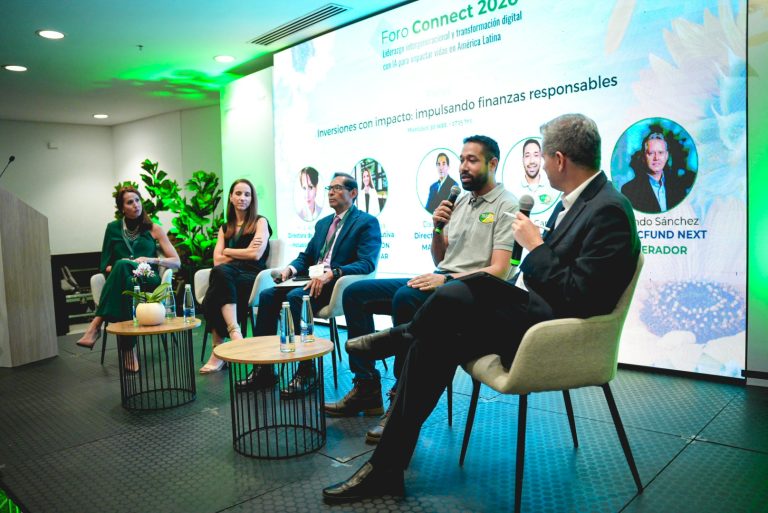
Artificial intelligence took center stage during the “Latin America Artificial Intelligence Observatory”, where industry experts shared experiences and insights on how this technology is transforming organizations and creating new opportunities to drive financial inclusion.
Drawing on concrete examples, the panelists agreed that the true value of artificial intelligence lies not merely in the technology itself, but in its ability to address real needs and deliver tangible results for institutions and their customers.
During the discussion, César Peña Montesinos emphasized that AI adoption should be geared toward creating economic and social value. In his view, the success of these initiatives is measured by their ability to generate a lasting impact, strengthening both organizational performance and the experience of the people being served.
Meanwhile, John Linares noted that the primary challenge lies not in the technological tools themselves, but in how they are utilized. He highlighted that artificial intelligence must be paired with knowledge, analysis, and human judgment to transform data into actionable information that supports better decision-making.
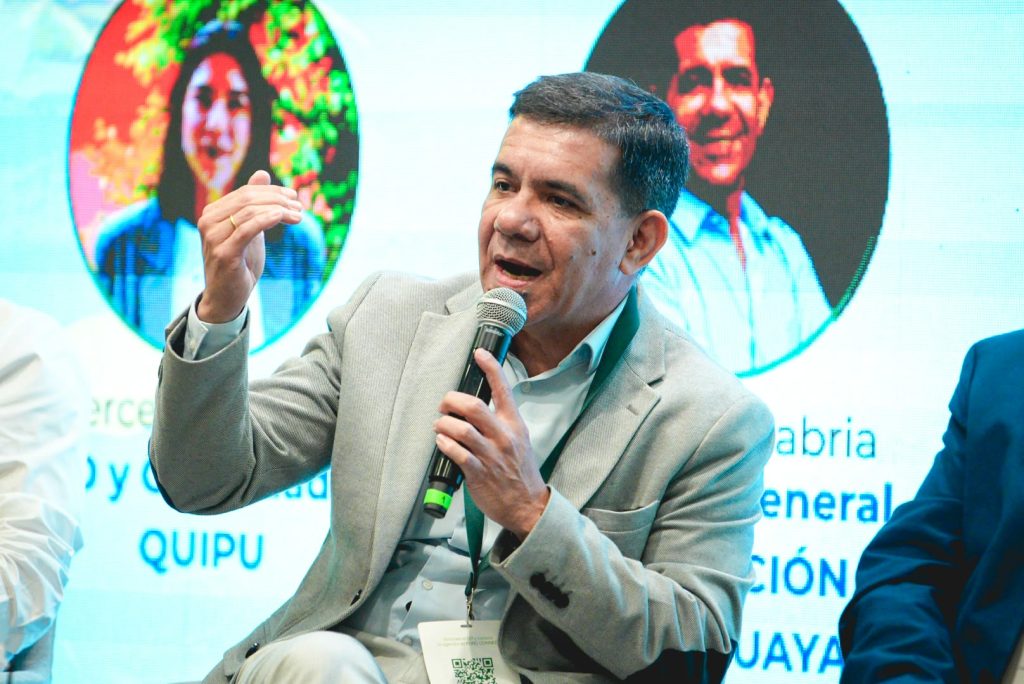
Along similar lines, Luis Fernando Sanabria pointed out that technology is not meant to replace people, but to enhance their work. He emphasized that AI can strengthen existing service and support models, enabling institutions to become more efficient without losing sight of the human element that defines inclusive finance.
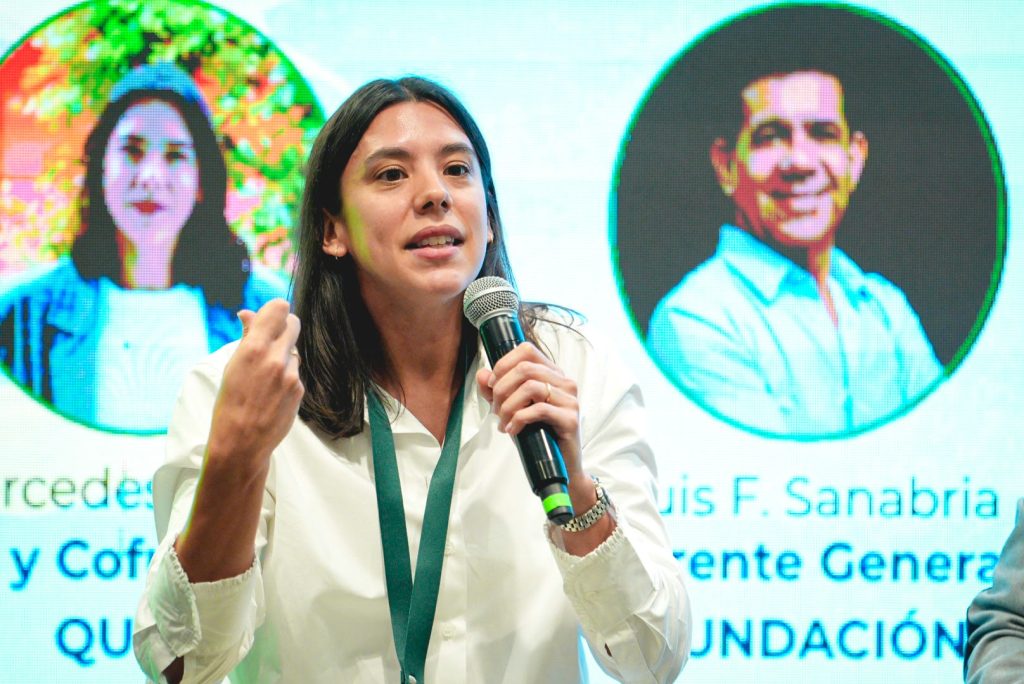
The discussion also addressed the potential of data to expand access to financial services. Mercedes Bidart called for a rethinking of traditional assessment models by posing a key question: why wait for years of credit history when alternative data sources now exist that allow for a more accurate understanding of people’s current circumstances? Her insights highlighted new opportunities to build models that are more inclusive and better aligned with customer needs.
In her closing remarks for the panel, Carla Arenales emphasized that the successful implementation of artificial intelligence does not necessarily depend on having the most advanced technology, but rather on having reliable data, a clear strategy, and teams prepared to use it responsibly.
The session delivered a powerful message: artificial intelligence can become a strong tool for expanding financial inclusion, provided its adoption is guided by a clear purpose, proper data management, and a people-centric approach. Rather than merely a technological trend, the panelists presented it as an opportunity to strengthen organizations’ ability to generate a positive, sustainable impact on communities.
View in LinkedIn